.webp)
Dangerous Side Effects of Chronic Venous Insufficiency: When CVI Becomes Serious
Can Chronic Venous Insufficiency Become Dangerous?
Chronic venous insufficiency (CVI) is usually not life-threatening, but it is a progressive vein condition that can cause increasingly serious problems if it is not properly managed.
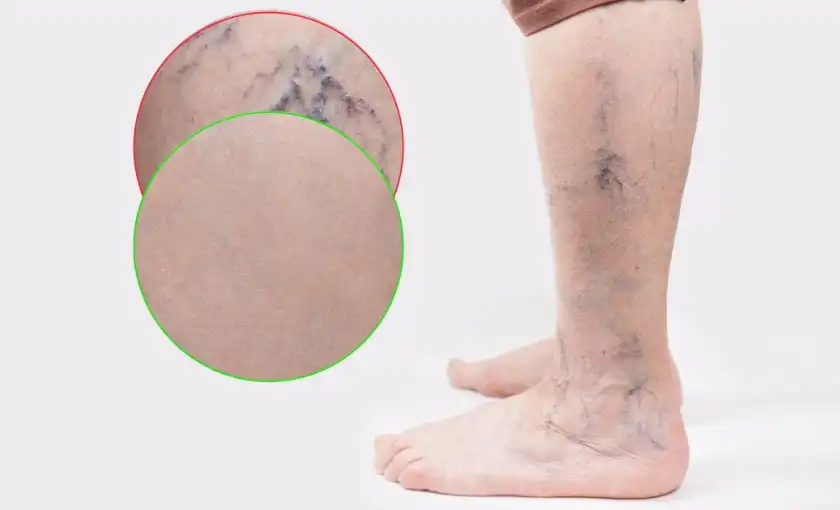
As pressure builds in the veins of the legs, CVI can lead to persistent swelling, pain, skin inflammation, discoloration and, in more advanced cases, open venous ulcers that can be difficult to heal. These complications can significantly affect mobility and quality of life.
Recognizing the early stages of venous insufficiency and seeking treatment when symptoms progress may help prevent more advanced vein and skin complications.
What Is Chronic Venous Insufficiency?
Chronic venous insufficiency occurs when the veins in the legs have difficulty returning blood toward the heart.
Healthy leg veins contain one-way valves that help keep blood moving upward. When vein walls or valves become damaged or do not function properly, blood can flow backward and pool in the legs. This creates increased pressure inside the veins.
Common symptoms may include:
- Leg heaviness or aching
- Swelling in the legs or ankles
- Cramping
- Varicose veins
- Itching
- Skin discoloration around the lower legs or ankles
Over time, continued venous pressure can affect the skin and surrounding tissues.
What Are the Early Stages of Venous Insufficiency?
The early stages of venous insufficiency can be easy to overlook because symptoms may initially be mild.
Early signs may include:
- Legs that feel heavy or tired
- Aching after prolonged sitting or standing
- Mild ankle or lower-leg swelling
- Visible or enlarged veins
- Leg cramping
- Itching or changes in the skin around visible veins
Symptoms may become more noticeable later in the day or after spending long periods on your feet.
As CVI progresses, swelling may become more persistent and changes to the skin can become more apparent. Advanced disease can eventually contribute to inflammation, hardened or discolored skin and venous ulcers.
Can You Die From Chronic Venous Insufficiency?
Chronic venous insufficiency itself is generally not considered a life-threatening condition. Most people with CVI do not die from the condition, and Cleveland Clinic notes that CVI usually is not life-threatening.
That does not mean CVI should be ignored.
Advanced venous insufficiency can cause substantial pain, chronic swelling, skin damage and venous ulcers. These complications can become difficult to manage and may significantly affect a person's health, mobility and quality of life.
Someone experiencing new or worsening leg symptoms should be evaluated rather than assuming the symptoms are simply cosmetic.
Can Chronic Venous Insufficiency Kill You?
CVI usually does not directly cause death.
It is important to distinguish chronic venous insufficiency from other potentially dangerous vascular conditions that can produce leg symptoms.
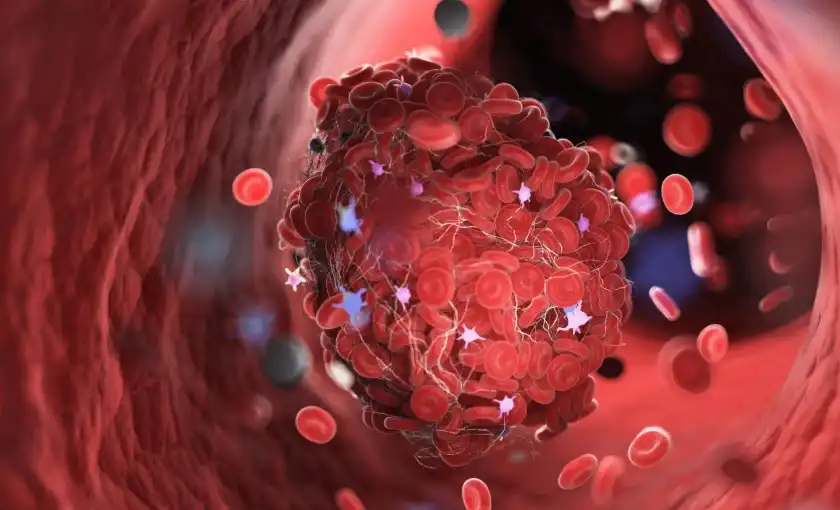
For example, a deep vein thrombosis (DVT) is a blood clot in a deep vein and can become life-threatening if part of the clot travels to the lungs and causes a pulmonary embolism. A history of DVT can also damage the veins and later contribute to chronic venous insufficiency.
Because symptoms such as swelling and leg discomfort can occur with more than one vascular condition, new or unexplained symptoms should be properly evaluated.
Is Chronic Venous Insufficiency Fatal or Deadly?
CVI is generally not fatal or deadly on its own.
The greater concern is progressive damage to the veins, skin and surrounding tissues when venous pressure remains elevated over time.
Serious complications can include:
- Persistent leg swelling
- Chronic pain or heaviness
- Skin inflammation
- Darkening or thickening of the skin
- Stasis dermatitis
- Venous leg ulcers
- Recurrent or difficult-to-heal wounds
Venous ulcers develop because prolonged high pressure in the veins can damage the tissues of the lower leg. These wounds may require ongoing medical care and can return even after healing.
What Are the Complications of Chronic Venous Insufficiency?
The complications of chronic venous insufficiency tend to become more significant as the condition progresses.
Chronic Leg Swelling
When blood and fluid accumulate in the lower legs, swelling may become persistent rather than occurring only occasionally.
Chronic swelling can contribute to discomfort, tightness and difficulty remaining active.
Skin Discoloration and Thickening
Long-term venous pressure can affect the skin around the ankles and lower legs.
The skin may become darker, inflamed, dry, itchy or thickened over time.
Stasis Dermatitis
Some people with venous insufficiency develop stasis dermatitis, an inflammatory skin condition caused by fluid and blood cells leaking from affected veins into surrounding tissues.
Stasis dermatitis may cause itching, inflammation and additional changes to the skin.
Venous Leg Ulcers
One of the most significant complications of advanced CVI is a venous leg ulcer.
These are open sores that commonly develop around the lower leg or ankle when chronically elevated venous pressure damages the skin and surrounding tissues. Venous ulcers can be slow to heal and may recur.
Pain, Heaviness and Reduced Mobility
Persistent aching, cramping, heaviness and swelling can make standing, walking and everyday activities increasingly uncomfortable.
Even when CVI is not life-threatening, these symptoms can substantially affect quality of life.
Does Chronic Venous Insufficiency Cause Blood Clots?
Chronic venous insufficiency and blood clots are related vascular conditions, but the relationship is more complicated than saying CVI simply causes DVT.
A previous deep vein thrombosis can damage valves and vein walls, resulting in chronic venous insufficiency known as post-thrombotic syndrome.
A DVT itself is a separate and potentially dangerous condition. Symptoms may include new swelling, pain, warmth or redness in the affected leg. DVT requires prompt medical evaluation because a clot can potentially travel to the lungs.
What Is a Pulmonary Embolism?
A pulmonary embolism occurs when a blood clot travels to an artery in the lungs.
Possible symptoms include sudden shortness of breath, chest pain, rapid breathing, a fast heartbeat, dizziness or fainting. A pulmonary embolism is a medical emergency.
A pulmonary embolism should not be presented as a routine progression of chronic venous insufficiency. However, understanding the difference between CVI, DVT and pulmonary embolism is important because all involve the vascular system and some symptoms can overlap.
Who Is at Risk for Chronic Venous Insufficiency?
Several factors may increase the likelihood of developing venous disease, including:
- A previous DVT
- Family history of vein disease
- Increasing age
- Pregnancy
- Obesity
- Limited physical activity
- Prolonged periods of sitting or standing
A previous blood clot is particularly important because damage from DVT can interfere with normal venous valve function and contribute to CVI.
When Should Chronic Venous Insufficiency Be Treated?
CVI treatment depends on the severity of the condition, symptoms and which veins are affected.
Early management may include measures such as:
- Regular physical activity
- Leg elevation
- Compression therapy when medically appropriate
- Weight management
- Avoiding prolonged periods of inactivity
When diseased veins are contributing to persistent symptoms, a vein specialist may recommend a minimally invasive procedure.
Treatment options at BASS Vein Center include:
- Conservative Vein Treatment
- Radiofrequency Ablation Therapy
- Endovenous Laser Therapy (EVLT)
- VenaSeal™ Vein Treatment
- Sclerotherapy
- Ambulatory Phlebectomy
The appropriate treatment depends on an evaluation of your symptoms and underlying vein condition.
When Should You See a Vein Specialist?
Consider scheduling an evaluation if you experience:
- Persistent leg swelling
- Aching or heaviness
- Recurring leg cramps
- Increasingly prominent varicose veins
- Itching or inflammation around the lower legs
- Darkening or thickening of the skin
- An open or slow-healing wound around the ankle or lower leg
CVI generally does not improve on its own once vein valves have been damaged. Treatment can help manage symptoms and reduce the impact of progressive venous disease.
The vein specialists at BASS Vein Center can evaluate your circulation and determine whether chronic venous insufficiency or another vascular condition may be contributing to your symptoms.
Request a consultation to learn more about your treatment options.
Frequently Asked Questions
Can you die from chronic venous insufficiency?
Chronic venous insufficiency itself is usually not life-threatening. However, advanced CVI can lead to significant complications such as chronic swelling, skin damage and difficult-to-heal venous ulcers.
Is chronic venous insufficiency deadly?
CVI is generally not considered a deadly condition. Its main risks involve progressive symptoms, skin changes and venous ulcers rather than death directly caused by CVI.
Is chronic venous insufficiency fatal?
CVI is generally not fatal. It is a chronic, progressive condition that can substantially affect comfort, mobility and quality of life if symptoms become severe.
What happens if chronic venous insufficiency is left untreated?
CVI can progress from swelling, aching and heaviness to skin inflammation, discoloration, thickening and venous leg ulcers. The severity and progression vary between patients.
What are the early stages of venous insufficiency?
Early symptoms may include leg heaviness, aching, mild swelling, cramping and visible veins. More advanced CVI may cause persistent swelling and changes to the skin.
Is DVT the same as chronic venous insufficiency?
No. DVT is a blood clot in a deep vein, while CVI is a chronic problem with blood returning through the veins. However, a previous DVT can damage vein valves and later cause chronic venous insufficiency.
Note: Coverage varies between insurance plans. Please check with your insurance provider before scheduling. BASS Vein Center will verify your benefits so you understand any out-of-pocket costs ahead of treatment.
Medical Disclaimer: The information provided in this blog is for educational and informational purposes only and is not intended as medical advice, diagnosis, or treatment. BASS Medical Group does not endorse any specific tests, treatments, procedures, or opinions referenced in this content. Individual results may vary. Always consult with your physician or a qualified healthcare provider regarding any medical concerns or before making changes to your health regimen.