Painful Varicose Veins: Why Do Varicose Veins Hurt, Especially at Night?
Varicose veins are not always just a cosmetic concern. They can cause aching, heaviness, throbbing, burning, itching, cramping, and tenderness in the legs, particularly when abnormal blood flow allows pressure to build inside superficial veins.
Some people notice their legs feel worse toward the end of the day after hours of standing or sitting. Others experience painful leg cramps or restless sensations at night.
If your varicose veins hurt, understanding the pattern of your symptoms can help determine whether venous disease may be contributing and when a vascular evaluation is appropriate.
Are Varicose Veins Painful?
Yes. Varicose veins can be painful, although not everyone who has them develops symptoms.
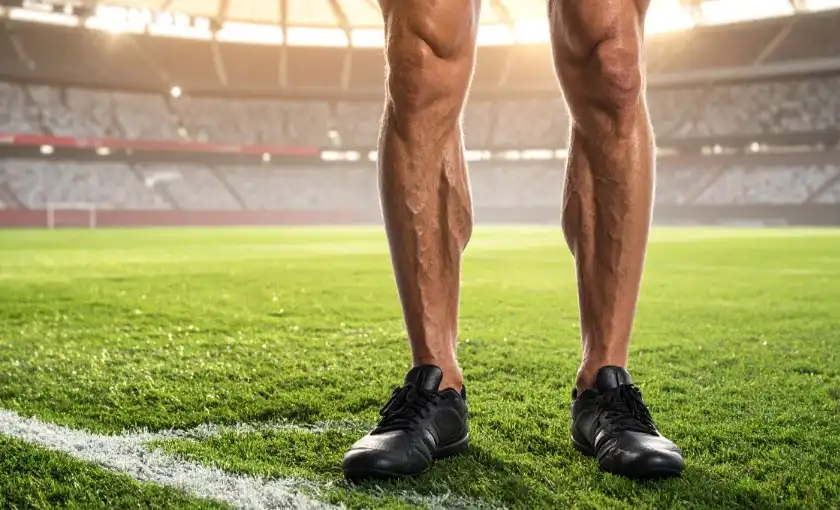
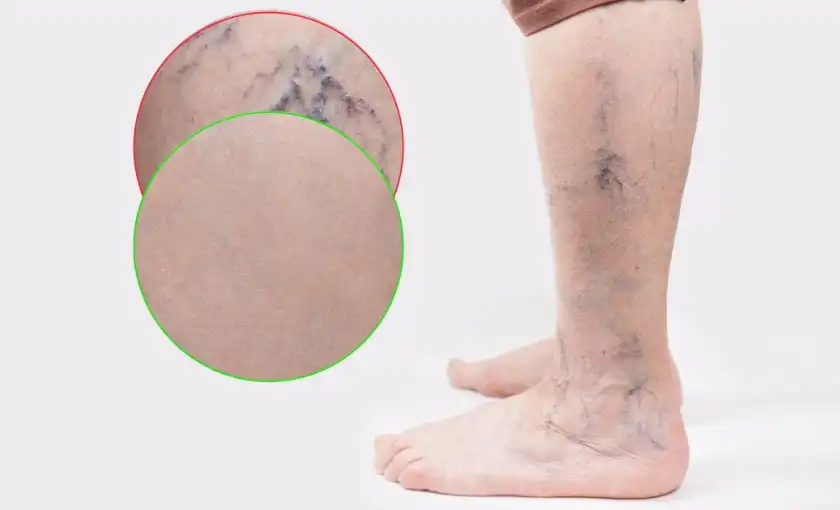
When valves inside the leg veins become weakened or damaged, blood can flow backward and collect in the veins. This increases venous pressure and can cause superficial veins to enlarge and become twisted or bulging.
Painful varicose veins may cause:
- Aching
- Heaviness
- Throbbing
- Burning
- Tenderness
- Itching
- Leg fatigue
- Cramping
- Swelling around the ankles or lower legs
- A tight or uncomfortable feeling in the calves
Symptoms can vary considerably from one person to another.
Why Do Varicose Veins Hurt?
Varicose vein pain is generally related to increased venous pressure, inflammation, and changes in the tissues surrounding affected veins.
Healthy leg veins contain one-way valves that help move blood toward the heart. When those valves do not function effectively, blood can move backward, a process called venous reflux.
Blood then collects in the lower legs, increasing pressure within the venous system.
Chronic venous disease can produce symptoms including pain, heaviness, swelling, itching, cramping, and other uncomfortable sensations.
What Does Varicose Vein Pain Feel Like?
Varicose vein pain does not always feel the same.
People may describe it as:
- A dull ache
- Heaviness
- Throbbing
- Burning
- Pressure
- Tenderness around a visible vein
- Tightness in the calf
- Leg cramping
- Tired or fatigued legs
Some people also experience itching or skin irritation around affected veins.
The discomfort may involve a single bulging vein or feel more generalized throughout the lower leg.
Why Do My Veins Hurt After Standing All Day?
Venous symptoms frequently become more noticeable after prolonged standing.
When you are upright, gravity increases the pressure that the leg veins must overcome to return blood toward the heart. If vein valves are not functioning normally, blood can pool more easily in the lower legs.
This may contribute to:
- Aching
- Heaviness
- Swelling
- Throbbing
- Leg fatigue
The Society for Vascular Surgery notes that symptoms associated with chronic venous disease can worsen with prolonged standing and may improve with elevation or compression when appropriate.
Why Do My Varicose Veins Hurt at Night?
There is not one single reason that varicose veins may feel uncomfortable at night.
For some people, symptoms accumulated during a day of prolonged standing or sitting may still be noticeable when they go to bed. There may also be fewer distractions at night, making leg sensations more noticeable.
Importantly, nighttime leg cramps have been associated with varicose veins and venous disease.
One study comparing people with and without varicose veins found that muscle cramps occurred more frequently among people with varicose veins and were more likely to occur at night and in the calf.
That does not mean every nighttime cramp is caused by varicose veins. Muscle fatigue, nerve conditions, medications, pregnancy, and several other medical conditions can also contribute to nocturnal leg cramps.
Can Varicose Veins Cause Nighttime Leg Cramps?
Yes, leg cramps can occur in people with varicose veins and chronic venous disease.
They often affect the calf and can occur during the evening or while sleeping. Research has found an association between varicose veins and increased nighttime muscle cramping.
A cramp usually feels different from the persistent aching or heaviness commonly associated with venous insufficiency.
Night cramps tend to involve a sudden, painful tightening of a muscle, most commonly in the calf or foot.
Because many conditions can cause cramps, recurring nighttime leg cramps should not automatically be assumed to come from varicose veins.
Is Varicose Vein Pain the Same as Restless Legs Syndrome?
No.
Restless legs syndrome (RLS) and varicose vein symptoms can overlap, but they are different conditions.
Restless legs syndrome typically creates an uncomfortable urge to move the legs and becomes more noticeable during rest, particularly during the evening or at night.
Venous disease may instead cause:
- Aching
- Heaviness
- Swelling
- Tenderness
- Visible varicose veins
- Skin changes
Research has found associations between chronic venous disease, restless leg symptoms, and nocturnal cramping, but experiencing restless legs does not prove that venous insufficiency is the cause.
A medical evaluation can help distinguish between venous symptoms and other causes of nighttime leg discomfort.
Why Does a Bulging Vein in My Leg Hurt?
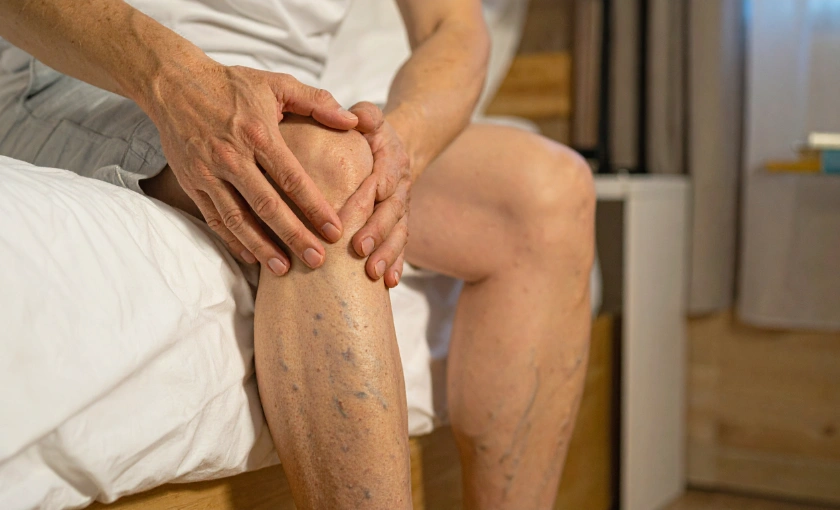
A bulging varicose vein can hurt when increased venous pressure, inflammation, or surrounding tissue changes make the vein symptomatic.
A painful bulging vein may feel:
- Achy
- Tender
- Throbbing
- Burning
- Sensitive when touched
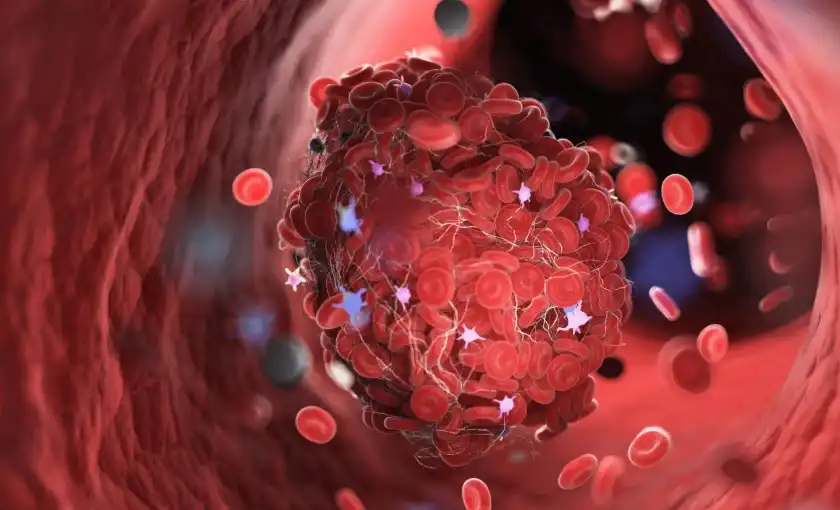
A vein that suddenly becomes significantly more painful, firm, warm, or discolored may indicate inflammation or clotting in a superficial vein and should be evaluated. The Society for Vascular Surgery notes that varicose veins can sometimes become painful, hot, hard, and discolored when clotting occurs.
Can Varicose Vein Pain Become Severe?
It can.
Some people experience only mild heaviness or aching, while others develop pain that interferes with standing, exercising, working, or sleeping.
More advanced chronic venous disease can also be associated with:
- Persistent swelling
- Skin discoloration
- Stasis dermatitis
- Hardening of tissue around the lower leg
- Venous ulcers
These changes occur because prolonged venous hypertension can progressively affect surrounding tissue and skin.
Persistent or worsening symptoms deserve evaluation rather than being dismissed as cosmetic.
Why Are My Varicose Veins Suddenly More Painful?
A change in varicose vein symptoms can have several possible causes.
Pain may become more noticeable after:
- Prolonged standing
- Long periods of sitting
- Increased swelling
- Changes in activity
- Warm temperatures
- Inflammation around a vein
However, new or suddenly severe pain should not automatically be assumed to be ordinary varicose vein discomfort.
A painful vein that becomes hard, warm, red or discolored may require evaluation for superficial thrombophlebitis or another complication.
Sudden one-sided swelling, significant calf pain, warmth, or discoloration can also occur with deep vein thrombosis and should be evaluated promptly.
How Can I Relieve Painful Varicose Veins at Home?
Conservative measures may help reduce symptoms associated with varicose veins and chronic venous insufficiency.
Elevate Your Legs
Elevation can help reduce venous pressure and swelling by making it easier for blood to return toward the heart.
When resting, periodically raising the legs may help with aching and heaviness.
Avoid Long Periods of Standing or Sitting
Remaining in one position for extended periods can make venous symptoms more noticeable.
If possible, take regular breaks to:
- Walk
- Change position
- Flex your ankles
- Move your calf muscles
The calf muscles help move venous blood upward through the legs.
Stay Physically Active
Walking and regular physical activity activate the calf muscle pump and can support venous circulation.
Exercise does not eliminate abnormal veins, but it can be part of conservative symptom management.
Use Compression When Recommended
Compression stockings may be recommended for some patients with symptomatic venous disease.
They apply graduated pressure to the leg and may help manage swelling and discomfort.
Compression is not appropriate for everyone, particularly some people with significant arterial circulation problems, so ask a healthcare professional whether it is appropriate for you.
How Should You Sleep With Varicose Veins?
If your varicose veins ache at night, slightly elevating your legs while resting may help reduce swelling and venous pressure.
You can use pillows or a supportive leg wedge if that is comfortable.
Other strategies that may help include:
- Avoiding very long periods of sitting before bed
- Taking a short walk or gently moving your legs during the evening
- Following prescribed compression recommendations during the day
- Managing dry or itchy skin that may be uncomfortable at night
There is no special sleeping position that treats the underlying venous reflux, however.
If pain regularly wakes you up or interferes with sleep, consider having the underlying cause evaluated.
Does Elevating Your Legs Help Varicose Vein Pain?
It can provide temporary symptom relief.
Elevation helps decrease the effect of gravity on the lower-leg veins and can reduce venous pressure while the legs are raised.
People with venous disease may notice improvement in:
- Swelling
- Aching
- Heaviness
- Tightness
However, elevation does not repair malfunctioning vein valves or permanently eliminate varicose veins.
When Should Painful Varicose Veins Be Evaluated?
Consider a vascular evaluation if you have:
- Persistent aching or pain
- A bulging vein that frequently hurts
- Increasing leg swelling
- Pain that interferes with sleep
- Recurrent nighttime cramping with other venous symptoms
- Skin discoloration
- Persistent itching or dermatitis
- A painful, hard, or inflamed vein
- An open sore near the ankle or lower leg
- Previous bleeding from a varicose vein
Evaluation can help determine whether venous reflux is contributing to your symptoms.
How Are Painful Varicose Veins Diagnosed?
A vein evaluation typically begins with your symptoms, medical history, and examination of the legs.
When chronic venous insufficiency is suspected, a duplex ultrasound may be performed.
Ultrasound can show:
- Which veins have reflux
- Whether vein valves are functioning properly
- Direction of blood flow
- Which superficial veins are affected
- Vein anatomy relevant to treatment
This information helps determine whether visible varicose veins are connected to a larger underlying refluxing vein.
How Are Painful Varicose Veins Treated?
Treatment depends on the source of the abnormal blood flow, symptoms, ultrasound findings, and individual anatomy.
Conservative management may be appropriate for some patients.
When significant superficial venous reflux is present, minimally invasive treatments may include:
- Radiofrequency ablation
- Endovenous laser treatment
- VenaSeal™
- Sclerotherapy
- Ambulatory phlebectomy
Current vascular guidelines recommend endovenous treatment over traditional surgical stripping for many patients with symptomatic varicose veins and axial reflux when anatomy is appropriate.
The appropriate treatment is determined by which veins are affected rather than simply which veins are most visible.
Can Treating Varicose Veins Help With Leg Pain?
When abnormal superficial venous reflux is contributing to symptoms, treating the underlying vein problem may improve pain and other venous symptoms.
Treatment is intended to close or remove abnormal veins so blood can continue through functioning veins.
Research evaluating endovenous treatment has demonstrated improvements in patient-reported symptoms and quality of life for patients with symptomatic venous disease.
Individual results vary, and not every case of leg pain is caused by varicose veins.
Painful Varicose Vein Treatment at BASS Vein Center
Painful varicose veins can affect more than the appearance of your legs. Persistent aching, heaviness, swelling, cramping, or nighttime discomfort may indicate underlying venous disease.
BASS Vein Center provides evaluation and treatment for varicose veins, chronic venous insufficiency, and other vascular conditions.
Our vascular specialists can evaluate your symptoms and use duplex ultrasound when appropriate to determine whether venous reflux is contributing to your leg pain.
Treatment options include conservative care, radiofrequency ablation, VenaSeal™, endovenous laser treatment, sclerotherapy, and ambulatory phlebectomy.
Frequently Asked Questions About Painful Varicose Veins
Do varicose veins hurt?
Yes. Varicose veins can cause aching, heaviness, burning, throbbing, cramping, itching, and tenderness, although some people have visible varicose veins without pain.
Why do my veins hurt?
Pain involving visible leg veins can be associated with increased venous pressure, inflammation, or chronic venous insufficiency. However, not every painful sensation along the leg is caused by a vein, so persistent or unexplained pain should be evaluated.
Why do my varicose veins hurt?
Varicose veins can become painful when faulty valves allow blood to pool and pressure to increase in superficial leg veins. This can contribute to aching, swelling, heaviness, and inflammation.
Can varicose veins hurt at night?
Yes. Some people with varicose veins report nighttime discomfort or cramping. Research has found that muscle cramps occur more frequently at night among people with varicose veins than among people without them.
Why are my veins more painful at the end of the day?
Venous symptoms can become more noticeable after prolonged standing or sitting because blood can pool in the lower legs when vein valves do not function effectively.
Can a bulging vein in the leg hurt?
Yes. Bulging varicose veins can cause aching, tenderness, throbbing, or burning. A vein that suddenly becomes very painful, hard, warm, or discolored should be evaluated.
Are severe varicose veins dangerous?
The appearance of a varicose vein does not by itself determine severity. More advanced venous disease can cause swelling, skin changes, inflammation, bleeding, or venous ulcers, which deserve medical evaluation.
How do you sleep with painful varicose veins?
Some people find that slightly elevating the legs while resting helps reduce swelling and aching. Persistent nighttime pain or symptoms that regularly disrupt sleep should be evaluated rather than managed indefinitely with positioning alone.
Does elevating your legs help painful varicose veins?
It can temporarily reduce venous pressure, swelling, and discomfort. Elevation does not correct the underlying damaged vein valves.
Should painful varicose veins be treated?
Not every varicose vein requires a procedure. Treatment may be considered when veins cause persistent symptoms, significant swelling, skin changes, bleeding, ulcers, or other complications. Ultrasound can help determine whether underlying venous reflux is present.
Note: Coverage varies between insurance plans. Please check with your insurance provider before scheduling. BASS Vein Center will verify your benefits so you understand any out-of-pocket costs ahead of treatment.
Medical Disclaimer: The information provided in this blog is for educational and informational purposes only and is not intended as medical advice, diagnosis, or treatment. BASS Medical Group does not endorse any specific tests, treatments, procedures, or opinions referenced in this content. Individual results may vary. Always consult with your physician or a qualified healthcare provider regarding any medical concerns or before making changes to your health regimen.