What to Avoid After Sclerotherapy
Why Post-Sclerotherapy Care Matters
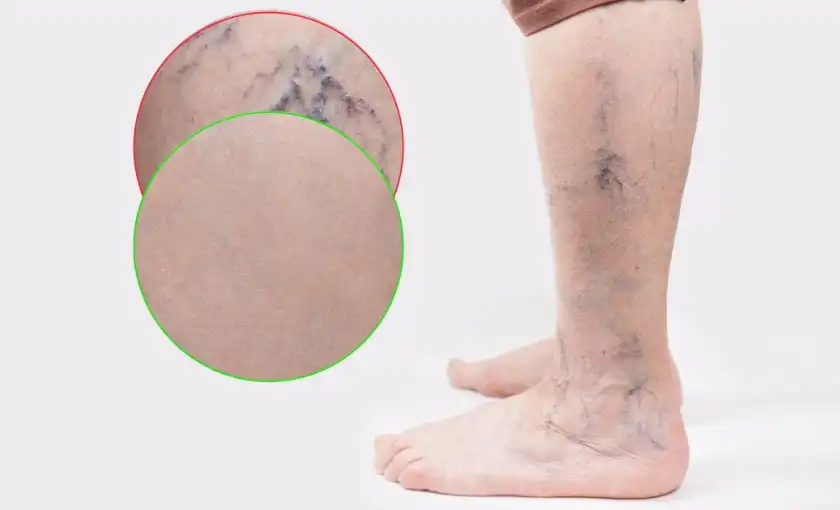
Sclerotherapy is a highly effective, minimally invasive treatment used to close varicose and spider veins. During the procedure, a solution is injected into the affected vein, causing it to scar, seal shut, and eventually be absorbed by the body. Blood is then redirected to healthier veins, improving circulation and appearance.
Although recovery is typically quick, what you do after sclerotherapy plays a major role in your results. Certain activities and habits can slow healing or reduce the effectiveness of treatment.
Prolonged Inactivity
One of the most important things to avoid after sclerotherapy is prolonged sitting or inactivity. Walking helps promote healthy blood flow and reduces the risk of blood clots. Most providers recommend walking shortly after treatment and continuing daily walks for several days.
Avoid long periods of sitting, bed rest, or immobility—especially during the first few days after treatment.
High-Impact or Strenuous Exercise
Light activity is encouraged, but overly strenuous exercise should be avoided temporarily. Activities such as running, heavy weightlifting, or high-impact workouts can interfere with the healing of treated veins.
In most cases, patients are advised to avoid intense exercise for at least 48 hours after sclerotherapy. Your provider will let you know when it is safe to resume your normal workout routine.
Excessive Heat Exposure
Heat can cause veins to dilate, which may interfere with the closure of treated veins. After sclerotherapy, avoid hot baths, hot tubs, saunas, and prolonged hot showers for about one week unless instructed otherwise by your provider.
Warm showers are usually acceptable, but extreme heat should be avoided during early recovery.
Excessive Sun Exposure
Sun exposure can increase inflammation and may lead to skin discoloration in areas that have not fully healed. Avoid direct sun exposure to treated areas for several weeks after sclerotherapy.
If you spend time outdoors, wear protective clothing and compression stockings as recommended. Many patients choose to schedule sclerotherapy during cooler months to minimize sun exposure.
Skipping Compression Stockings
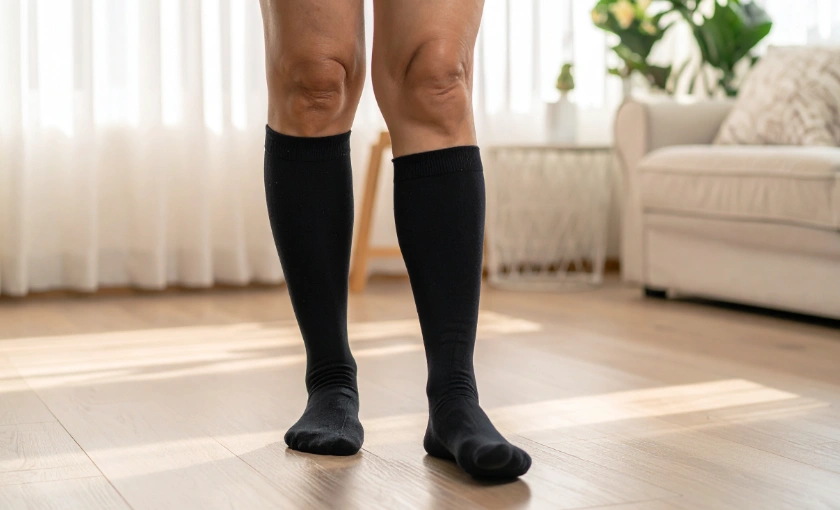
Compression stockings are a critical part of recovery after sclerotherapy. They help improve circulation, reduce swelling, and support proper vein closure.
Your provider may recommend wearing compression stockings during the day for a specific period of time, removing them only for sleeping or bathing. Not wearing compression stockings as directed can negatively affect results.
Recognizing Possible Complications
Sclerotherapy is generally safe, but it is important to recognize when symptoms may indicate a complication rather than normal healing.
Mild bruising, tenderness, and swelling are common and usually resolve within days to weeks. However, you should contact your provider if you experience severe or worsening pain, significant swelling, redness, warmth, or drainage at injection sites.
Rare complications may include infection, inflammation of the vein (phlebitis), or blood clots. Sudden leg swelling, pain, warmth, or redness—especially in one leg—should be evaluated promptly.
When to Contact Your Vein Specialist
If you have concerns during recovery or notice symptoms that are worsening instead of improving, it is important to contact your provider. Early evaluation helps ensure proper healing and prevents complications.
At BASS Vein Center, our vein specialists provide clear post-treatment guidance and ongoing support to help patients achieve optimal results from sclerotherapy and other vein treatments.
Note: Coverage varies between insurance plans. Please check with your insurance provider before scheduling. BASS Vein Center will verify your benefits so you understand any out-of-pocket costs ahead of treatment.
Medical Disclaimer: The information provided in this blog is for educational and informational purposes only and is not intended as medical advice, diagnosis, or treatment. BASS Medical Group does not endorse any specific tests, treatments, procedures, or opinions referenced in this content. Individual results may vary. Always consult with your physician or a qualified healthcare provider regarding any medical concerns or before making changes to your health regimen.